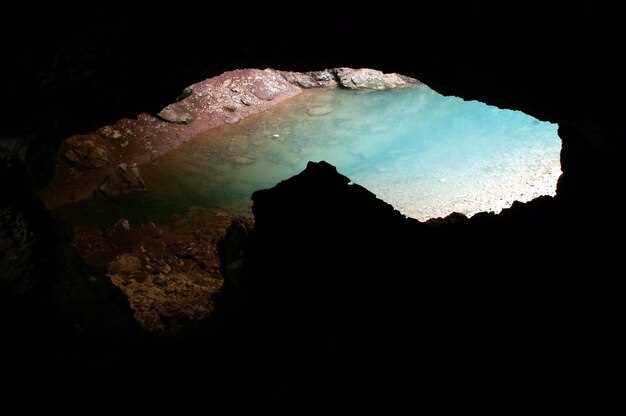
Among the enchanting landscapes of Scotland, lies a serene water body enveloped in mystery. This tranquil expanse has long enchanted visitors with its breathtaking beauty and rich folklore. While many admire its surface, few consider what lurks below.
Understanding this underwater world opens a doorway to a hidden realm, teeming with life and wonder. Our quest will delve into the characteristics that make this aquatic marvel unique and fascinating. Through careful examination, we will shed light on the secrets concealed beneath its placid exterior.
This journey is not merely about the figures and facts but encapsulates the essence of its natural allure. Join us as we navigate the underwater dimensions of one of Scotland’s most picturesque bodies of water, uncovering unprecedented insights about its hidden depths.
Contents
Discover the Depths: How Deep is Loch Ard

Unveiling the mysteries behind this enchanting body of water invites a journey into its fascinating underwater landscape. This section aims to provide an insightful analysis of its characteristics and dimensions, offering a comprehensive understanding of the aquatic environment found here.
Overview of the Underwater Terrain
Nestled in the heart of picturesque landscapes, this stunning freshwater feature is renowned not only for its surface beauty but also for its intriguing underwater geography. A myriad of underwater formations, flora, and fauna inhabit these waters, contributing to its biologically diverse ecosystem.
Measured Depth and Geological Features
Comprehending the vertical extent of this aquatic jewel involves examining various geological aspects that define its formation. The submerged topography, including trenches and aquatic ridges, has created a dynamic environment for various species and natural phenomena. These elements combine to make its underwater realm both captivating and complex.
| Aspect | Details |
|---|---|
| Maximum Depth | 31.5 meters |
| Average Depth | 10 meters |
| Surface Area | 5.6 km² |
| Water Volume | 0.12 km³ |
Exploring the Mysteries of Loch Ard
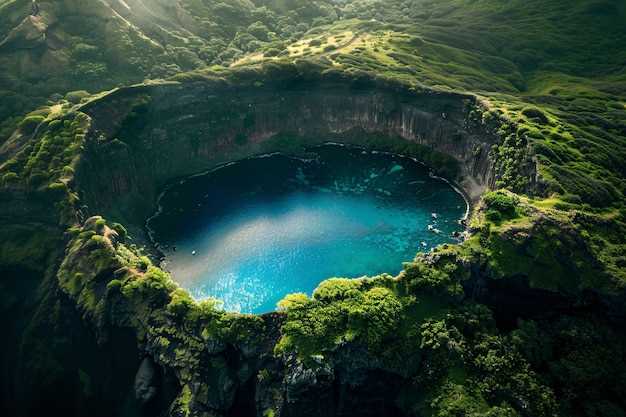
The waters of this enchanting reservoir hold stories and riddles that spark curiosity and wonder. One can only imagine the secrets lying beneath its tranquil surface, waiting for adventurers to uncover. The area around its banks is rich in both history and lore, making it a fascinating subject for those eager to learn more about its past and present.
Narratives from locals and historians alike weave a tapestry of mystery around this aquatic gem. Some speak of ancient artifacts hidden in its depths, while others tell tales of mythical creatures that guard its secrets. Each story adds a new layer of intrigue, encouraging further exploration and study.
Scientific explorations have also contributed to our understanding of this enigmatic body of water. Research initiatives have revealed unique ecological patterns and geological formations that add to its allure. This intersection of myth and science creates a captivating realm for both amateur explorers and professionals in various fields.
Immersing oneself in this mysterious domain offers not just enjoyment but also an educational experience. Whether through diving expeditions, guided tours, or academic studies, each approach provides a different perspective, enriching our collective knowledge and feeding our imagination.
Measuring the Depth: Tools and Techniques
Understanding the underwater topography of water bodies requires precise and accurate measurements. Various instruments and methods allow researchers to map and monitor aquatic environments effectively. These technologies vary in complexity from simple manual tools to advanced electronic devices.
Traditional Methods
One of the oldest techniques employs a weighted rope or line known as a sounding line. By lowering this line until it touches the bottom, one can calculate the distance based on the length of rope used. Although considered outdated, this method is still appreciated for its simplicity and low cost.
Modern Technologies
Today, sophisticated equipment such as echo sounders and sonar systems are utilized for more accurate and efficient measurements. Echo sounders operate by emitting sound waves that bounce off the seabed, returning signals that are then analyzed to determine depth. Sonar systems work similarly but often provide more detailed and expansive data, making them ideal for comprehensive surveys.
Adopting these advanced technologies not only improves accuracy but also allows for the collection of more detailed information about underwater features. Researchers and scientists continuing to innovate and enhance these methods ensures ever-improving knowledge of subaquatic environments.
Comparing Loch Ard to Other Lochs
In this section, we will explore a comparative analysis between one of Scotland’s well-known water bodies and its neighboring counterparts. By examining various characteristics, we gain a better understanding of how Loch Ard stacks up against other Scottish lochs in terms of size, geological features, flora, and fauna.
Geological Features
Scottish lochs have distinct geological characteristics that set them apart from one another. The bedrock composition, surrounding topography, and historical formations play significant roles in shaping these unique landscapes.
- Loch Lomond: Known for its fjord-like features and deep glacial troughs.
- Loch Ness: Most famous for its deep, narrow shape due to tectonic and volcanic activity.
- Loch Tay: Features submerged ruins and ancient crannogs, hinting at its historical significance.
Flora and Fauna
The biodiversity across Scotland’s freshwater bodies varies significantly, offering a rich tapestry of ecosystems.
- Loch Lomond: Boasts a diverse range of habitats, supporting rare species such as the powan fish and a variety of birdlife.
- Loch Ness: Encompasses dense forests and nutrient-rich waters, though infamously linked to the mythical Nessie.
- Loch Tay: Home to wildlife like otters, herons, and a variety of aquatic plants due to its relatively shallow waters.
Through this comparative examination, we see that each loch presents its own set of intriguing features and ecological significance, further enriching Scotland’s natural heritage.
