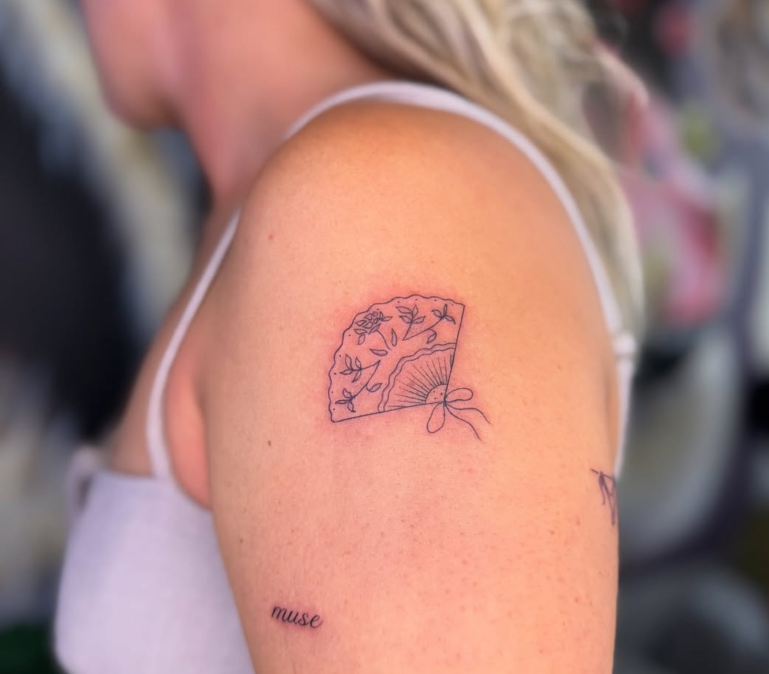
Do fine-line tattoos fade faster? It’s a question we get asked in every consultation here in Brisbane. At Cosmetic Tattoo Studio Brisbane Face Figurati, we (Uliana Kasperska and Anastasia Petkov) hear it all the time from clients considering their first fine line tattoo. As artists who’ve been in the industry long enough to see trends come and go, we know the answer isn’t a simple yes or no. Fine line tattooing can look amazing — minimal, crisp and personal. But like all body art, it comes with its own quirks, including how it ages. In this article, we’ll break down what really affects the lifespan of delicate tattoos, from tattoo machines and ink pigments to sun exposure, healing time and even Brisbane’s UV rays.
Contents
Why Fading Happens
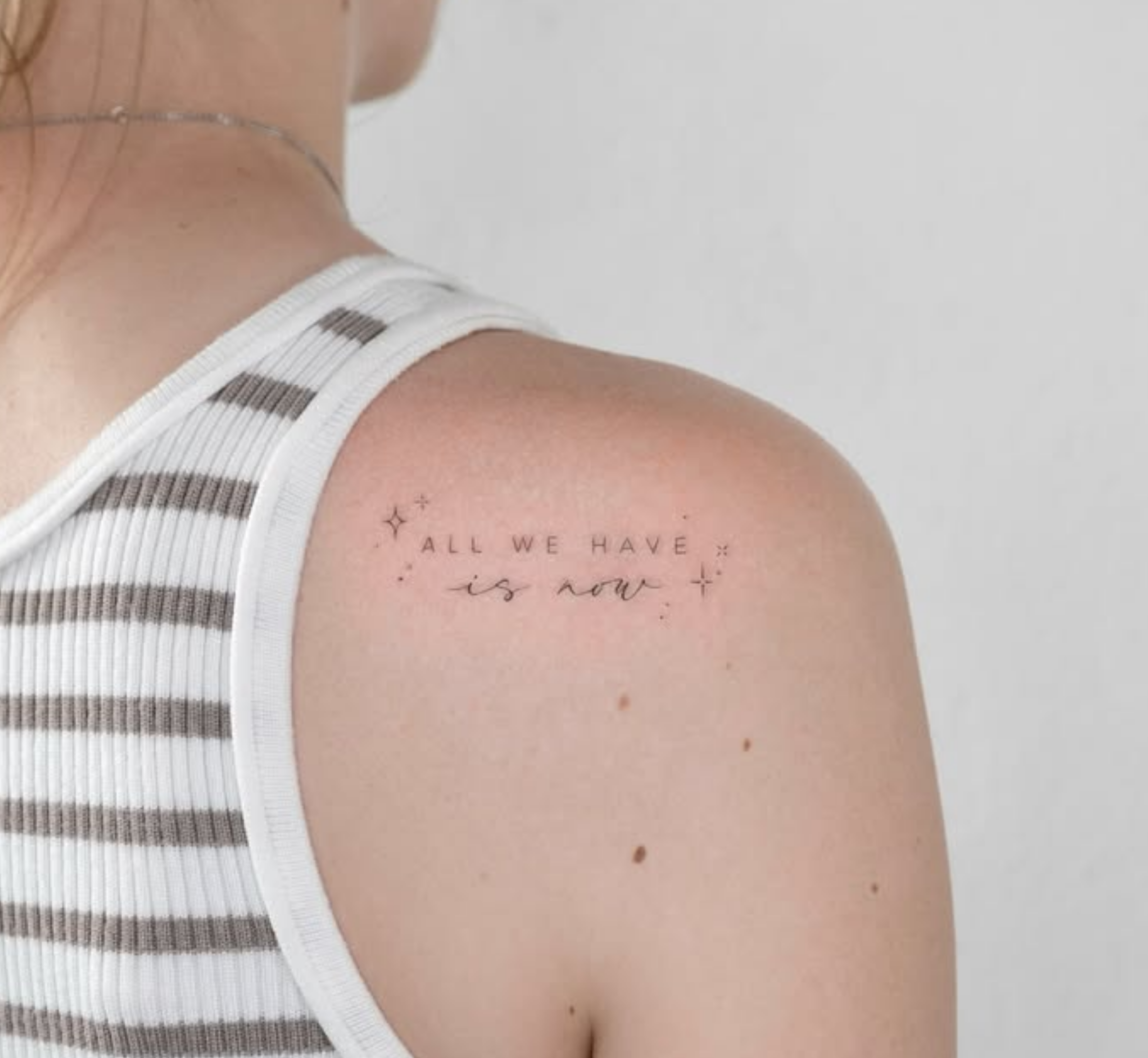
Fading isn’t unique to fine line tattoos; it happens with all body art. But understanding the “why” gives you power over how long your tattoo design stays sharp. Tattoo ink sits in the upper dermis — not on the surface, not buried deep, but in that sweet spot beneath the skin. Over time, your body’s immune system, natural shedding and UV rays conspire to lighten the pigment. With minimalist designs and fine line tattooing, there’s just less colour tattoo ink in the skin, which means less saturation to resist those forces.
The Science of Fine Lines
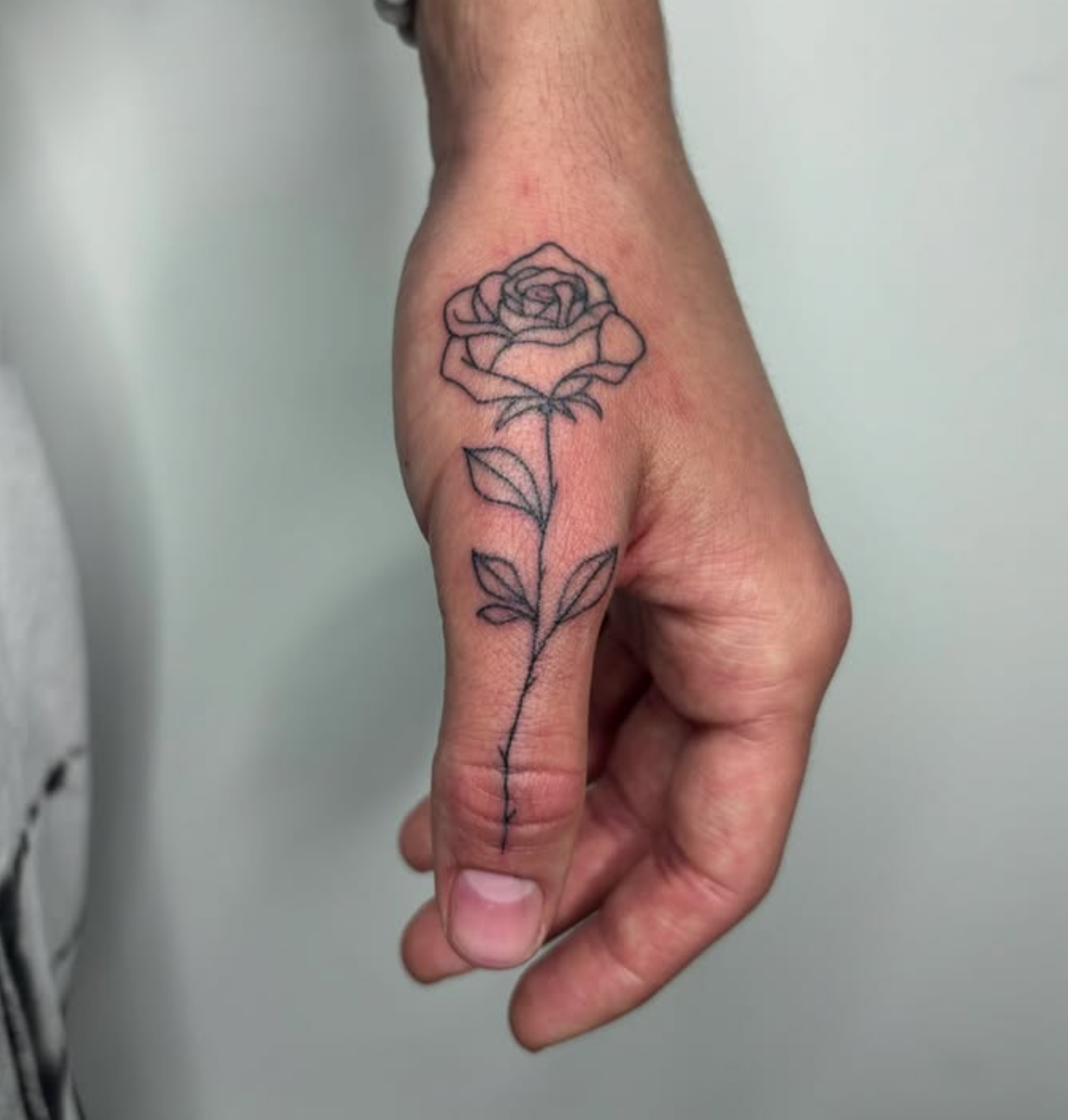
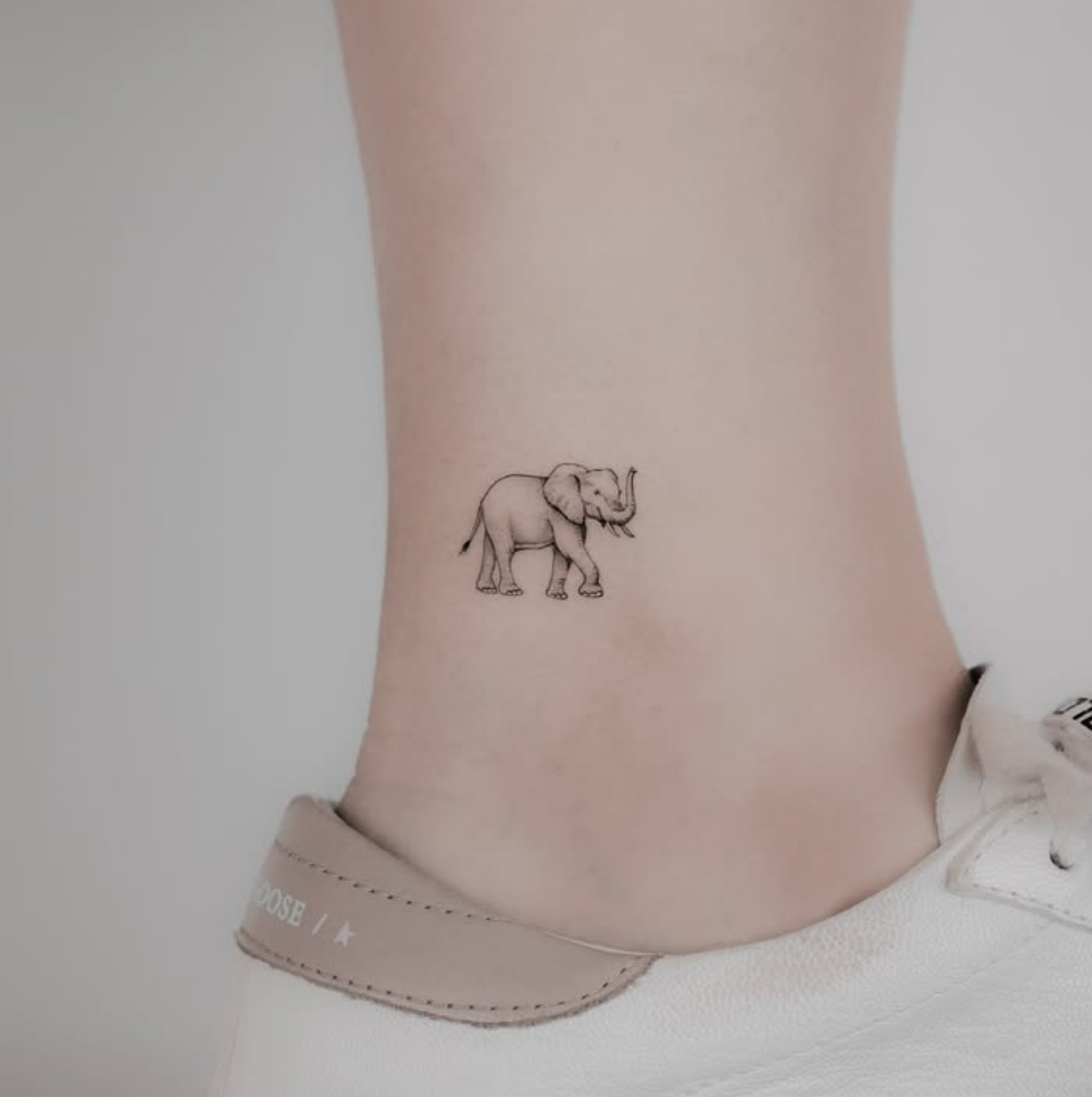
Fine line tattoos use single needles or very fine liners with lighter pressure to create minimalistic style tattoos. That’s what gives them their clean black outline and subtle look. But with less tattoo ink deposited, retention can be trickier. Industry reports suggest that intricate designs like continuous line tattoos, geometric designs and tiny tattoos show noticeable fading within 1-3 years. Bold black and grey pieces with heavier ink pigments can last much longer before needing touch-ups. A skilled fine line tattooist knows how to balance needle depth, technique and placement to give the design the best possible longevity.
Skin Type and Lifestyle
Skin type plays a big role in how tattoo ink holds. Oily skin can push out pigment during the healing process and soften results over time. Fine line tattoos on dry skin may retain their crispness but need to be moisturised carefully. Add in lifestyle — if you’re surfing, swimming or constantly in the sun in Brisbane — and your tattoo experience may include faster fading. Daily sunscreen is non-negotiable if you want your art to last.
Placement Matters
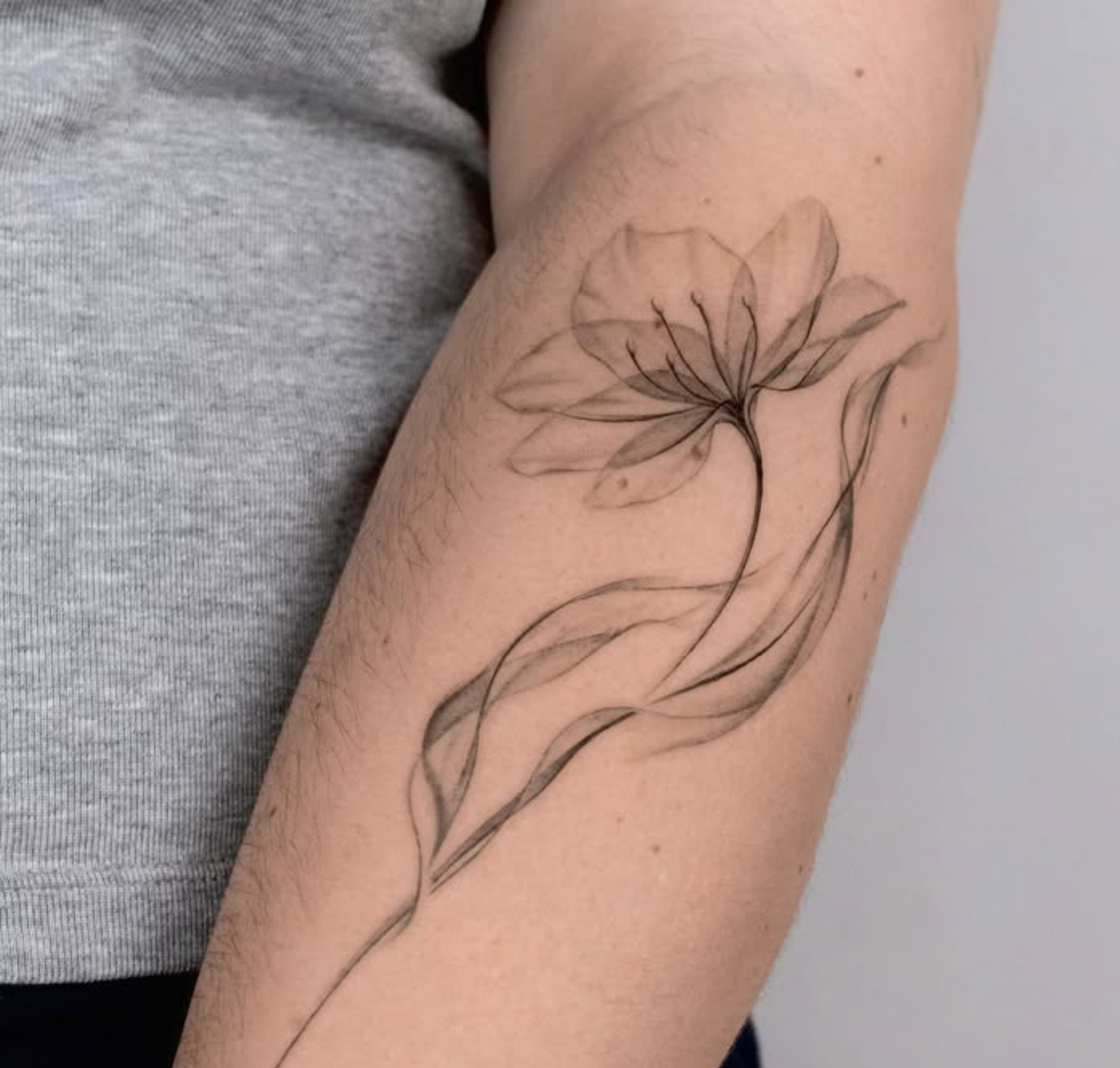
Placement is just as important as technique. Tattoos on high-friction areas like fingers, feet or ribs (thanks, bra straps) will fade faster than ones on the upper arm or back. When clients come to us with reference images of geometric designs or minimalist designs, we often walk them through healed results so they know what their tattoo artist can realistically deliver over time. Choosing where to place your fine line tattoo is a balance between aesthetic and longevity.
The Healing Timeline
Healing time is where much of the outcome is decided. Follow the aftercare closely, and your tattoo will thank you. Here’s what to expect:
| Week | What’s Happening | What You Should Do |
|---|---|---|
| 1 | Redness, swelling, and oozing are possible | Gently clean, apply ointment, and avoid soaking |
| 2 | Scabbing, peeling, itchy skin | Moisturise, don’t pick or scratch |
| 3 | Dullness as skin rebuilds | Stay patient — ink pigments reappear as healing continues |
| 4 | Outer healing is mostly done | Switch to sunscreen and long-term care |
By month 2-3, most fine line tattoos will be more settled. Black and grey will look sharper than lighter colour tattoo ink, but both need sun protection.
Myths About Fine Line Fading
Let’s bust a few myths floating around social media:
- Myth 1: “Tiny tattoos disappear in under a year.” False — with proper healing and aftercare, fine line tattoos can last years before touch-ups.
- Myth 2: “Only colour tattoo ink fades.” Wrong — black outline and black and grey line work also fade over time.
- Myth 3: “Blowouts happen to all fine liners.” Not true — blowouts are usually a technique or placement issue, not an inevitability.
- Myth 4: “Delicate tattoos can’t be covered up.” They can be, and covering up work is often easier than on heavily saturated body art.
Real Client Stories
We have clients who have returned with geometric shapes on their forearms still sharp after 3 years — thanks to strict sunscreen and moisturising. Another client with continuous line work on their finger needed a touch-up in under a year, but that was due to constant handwashing at work. These examples show how lifestyle, not just tattoo machines or ink pigments, affects fading.
Touch Ups: When and Why
Most minimalist style tattoos need touch-ups within 1-3 years. It’s part of the tattoo culture, not a failure. Think of it like hair colouring or brow shaping — ongoing maintenance. In Brisbane, with high UV rays and lots of outdoor lifestyle, annual touch-ups aren’t unusual. Luckily, with single needles and modern tattoo machines, the process is usually quick. At Cosmetic Tattoo Studio Brisbane Face Figurati, we encourage regular reviews to make sure your fine line tattoo remains fresh.
Industry Insights and Trends (2025 Data)
The tattoo industry in 2025 shows fine liners, geometric designs and minimalist style tattoos as the most requested styles. A national survey found 62% of people with delicate tattoos expect to book touch-ups within 2 years. On social media, continuous lines and tiny tattoos dominate feeds, but tattoo artists agree: UV rays and daily wear affect how these intricate designs age. Despite the maintenance, the popularity of fine line tattooing is still growing. For those wanting to learn the craft, booking into a fine line tattoo course can give you valuable insight into needle control, ink saturation and aftercare.
How to Protect Your Tattoo Long Term
Your tattoo design is more than just the healing process. Here’s what matters:
- Sunscreen daily — UV rays are the biggest enemy of ink.
- Moisturise often — hydrated skin keeps tattoos looking fresh.
- Don’t over-soak — don’t swim or soak during early healing time.
- Choose reference images wisely — some minimalist designs look great fresh, but will fade faster.
- Check in with your fine line tattooist — regular reviews prevent surprises.
Final Thoughts
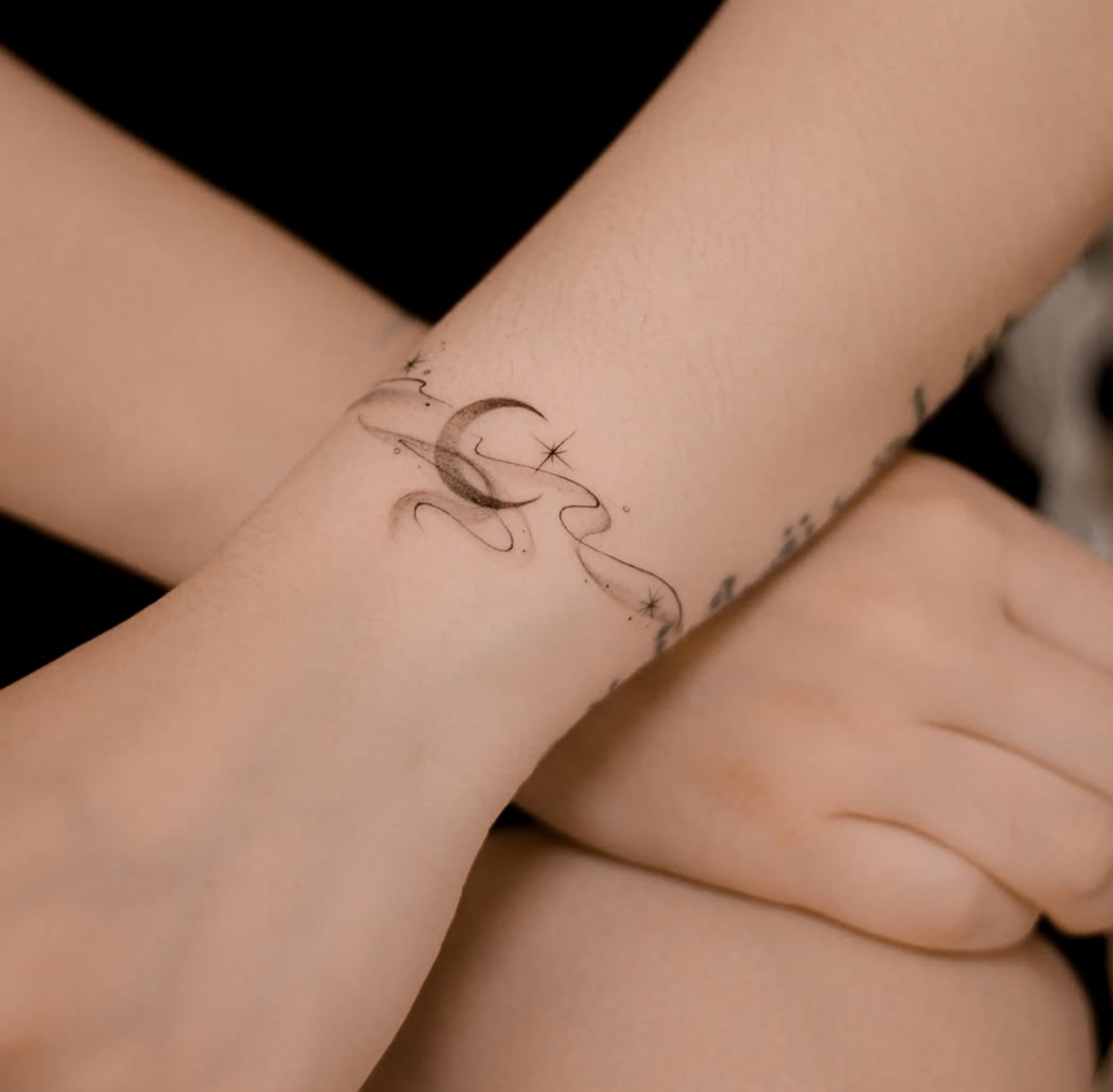
So, do fine line tattoos fade faster? The short answer: they can, but not always. With the right tattoo experience, realistic expectations and protection from the harsh Brisbane sun, your fine tattoos can last beautifully. Whether it’s geometric designs, minimalist style or bold black and grey line work, every piece deserves thought aftercare. At Cosmetic Tattoo Studio Brisbane Face Figurati, we walk you through every step – from reference images to healing time and touch-ups. If you’re interested in your options or even considering a fine line tattoo course to try the art yourself, pop by the studio. We’ll help you design something that balances artistic expression with longevity.
Written by Uliana Kasperska & Anastasia Petkov
FAQ
Are fine line tattoos done with single needles?
Yes, most fine tattoos are done with single-needle tattoo machines or fine liners, which create that crisp black outline.
Can colour tattoo ink last as long as black and grey?
Colour tattoo ink fades faster in the sun, but with sunscreen, it can last for years.
What’s the healing time for small tattoos?
Most small pieces take 2-4 weeks to heal on the outside, with the full healing process taking 2-3 months.
Do geometric shapes or intricate designs fade faster?
Continuous lines and geometric lines can blur quickly due to minimal saturation, but good aftercare helps them last.
Can a blowout be fixed with a cover-up?
Yes, cover-up work is common in tattoo culture. A skilled tattoo artist can rework or redesign the area.
