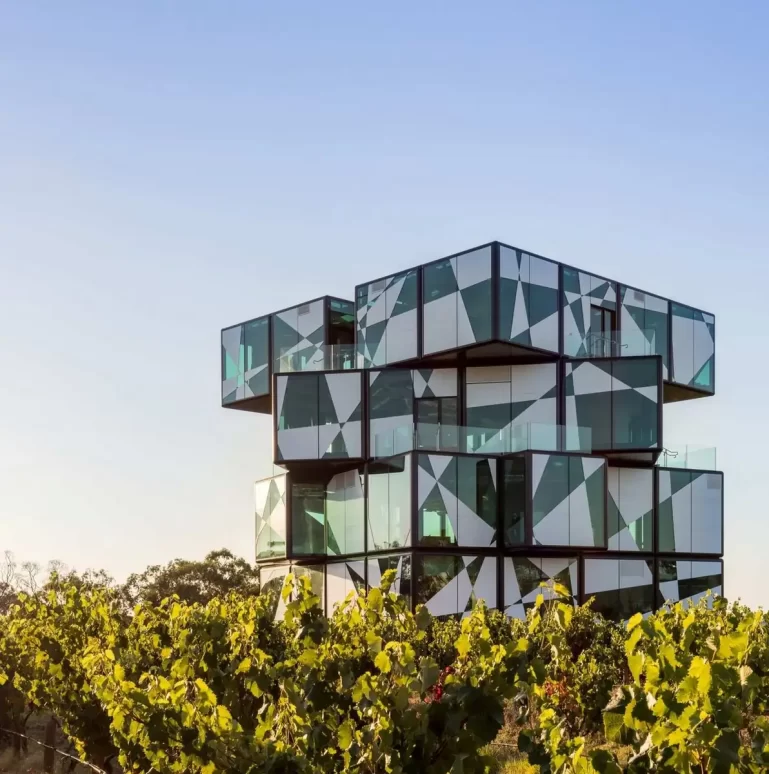
Can you really walk between wineries without losing your mind? Three Clusters Where You Don’t Necessarily Need A Car – This is one of those questions that sounds hilariously optimistic until you’ve been there and found out it’s actually possible in a place that’s got a lot of promise but just isn’t quite geared up for it. I’m Paul Beames, and after years of designing wine tours and coming up with clever plans that looked great on Google Maps but always somehow managed to fall apart when things got serious, here’s the honest lowdown: most wine regions still pretty much need a car – but there are a handful of exceptions that don’t.
This article’s about those super rare clusters where actually strolling between cellar doors makes sense in the real world, not just in some fantasy land. I’m going to lay out where it’s genuinely doable, where it’s just plain crazy to even try, and how to plan a decent wine tasting day without having to spend a fortune on taxis.
Along the way, I’ll also touch on the question that everyone asks after they’ve been on one of those Yarra Valley day trips – and the reason walking seems like such a great idea until it turns out to be totally not.
Contents
- 1 What Makes A Wine Region Walkable
- 2 McLaren Vale Township, SA – Built To Stroll
- 3 Pokolbin, New South Wales – The Hunter Valley’s Hidden Treat
- 4 Tanunda & Angaston, SA – A Pleasant Wine Stroll
- 5 Where Walking Fails: Margaret River, Western Australia
- 6 The Perfect Walking Wine Regions – Around the World
- 7 Walking Feasibility At A Glance
- 8 Practical Planning Tips
- 9 A Final Word from Experience
- 10 FAQ
What Makes A Wine Region Walkable
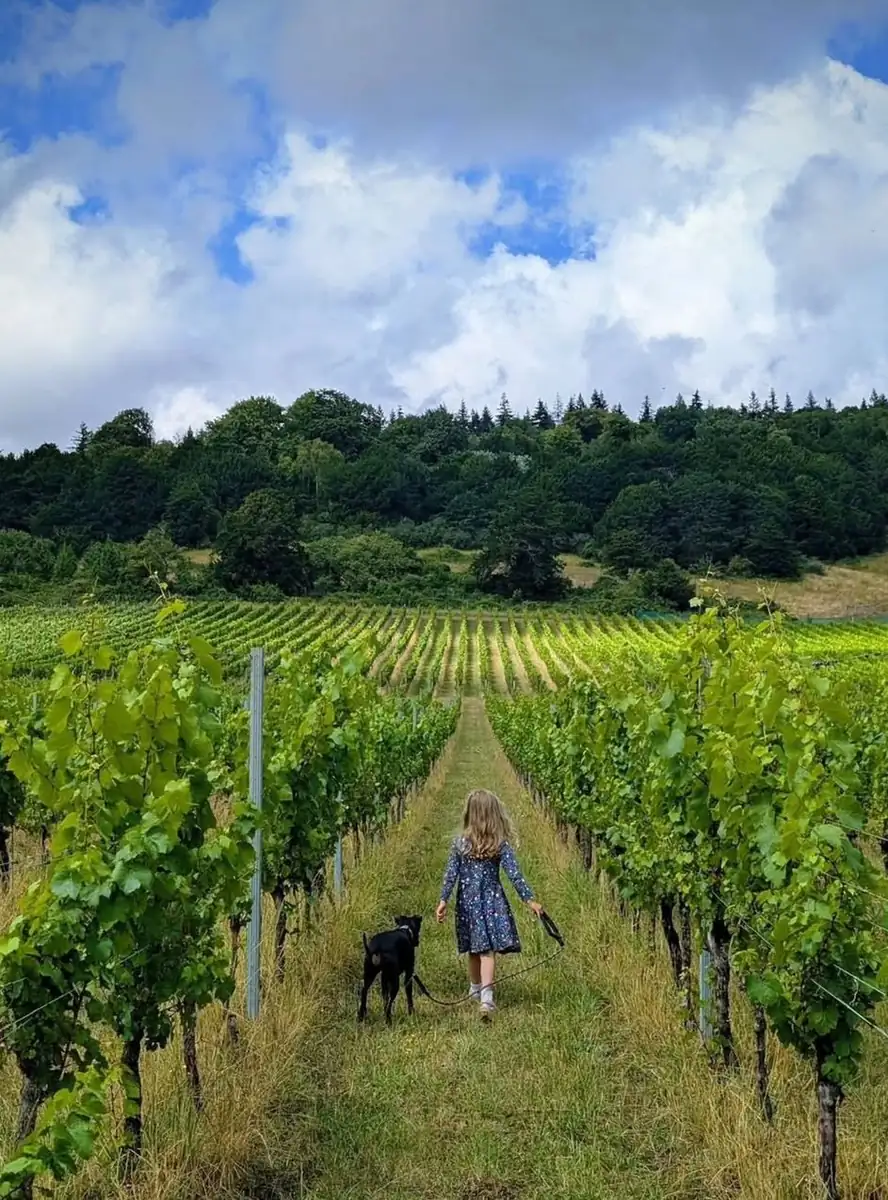
A wine region that’s actually walkable isn’t about how picturesque it looks or being stuck in the middle of rolling hills – it’s about being able to actually walk between wineries without making yourself miserable. And that means the key considerations are distance, safety, and crowding. If the cellar doors are scattered all over the countryside or right on busy main roads, you’ll soon be kicking yourself for not grabbing a car.
Wine Australia reckons we’ve got over 2,600 cellar doors to choose from – but the truth of it is only a tiny fraction of them are close enough to each other that you can get to them on foot. Which is why most wine tasting still involves cars, organised tours, or guided experiences run by people who really know the area and all its quirks.
Before you go ahead and start planning a walk between cellar doors, you might want to check a few things first:
- Are there actually footpaths?
- Are the cellar doors open on the days you’re planning to visit?
- Take a look at the elevation – it’s not just the distance that’s a problem, it’s also whether you’ll be trudging up steep hills
- And of course, assume that summer heat will make the walk twice as tough as it would be in cooler weather
You’ll know exactly what I mean if you’ve ever done a day trip to the Yarra Valley – walking rarely works there because the distances are way longer than they look on the map, and to be honest, the roads aren’t exactly super-welcoming to pedestrians.
McLaren Vale Township, SA – Built To Stroll
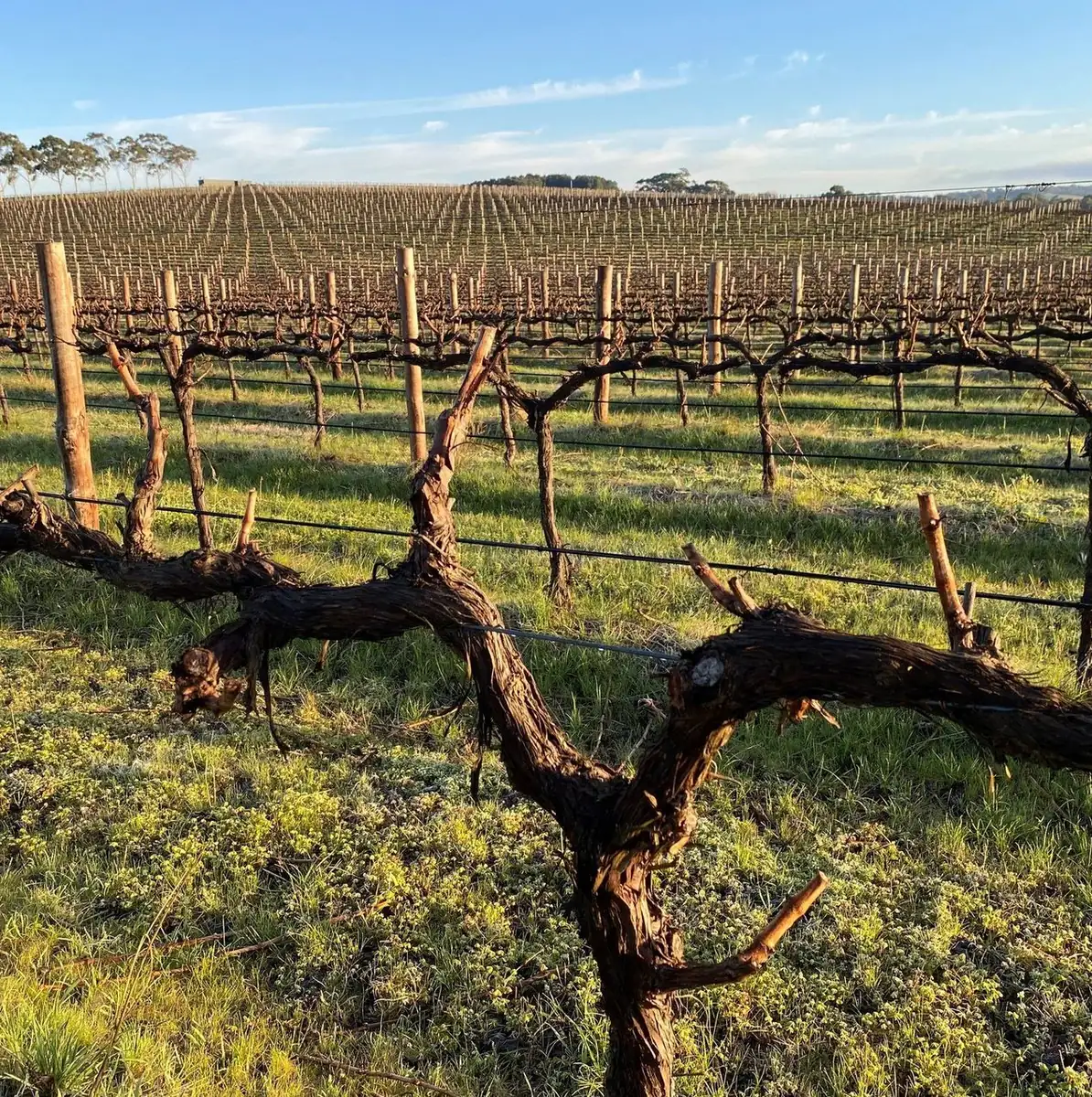
McLaren Vale‘s got that magic thing going on where a leisurely stroll between cellar doors actually feels like the main event – not just some afterthought you fit in when you’ve got a bit of time. The whole township is laid out in a way that just makes sense – the wineries, wine bars, bakeries and pubs are all clustered up in a neat grid, so you can just plan a day without having to worry about a thing.
I’ve spent days wandering around McLaren Vale in mild winter sunshine and shoulder-season heat that could melt a wine lover’s resolve. And you know what? Both were no real problem because the distances are super short, the ground is flat as a pancake, and grabbing a bite to eat is just a casual affair.
Why McLaren Vale Stands Up For Itself On Foot
The cellar doors are cheek by jowl with each other – 300 to 800 metres is all you’ll ever have to cover between tastings. You can amble along actual footpaths, and without having to worry about dodgy farm tracks or crossing any highways. And when it comes to food, you’ve got all the time in the world – lunchtime is entirely an option, and the bakeries and cafes make it dead easy to keep your energy up.
The best months to go are April to June and September to November – summer’s technically doable, but don’t say I didn’t warn you.
Pokolbin, New South Wales – The Hunter Valley’s Hidden Treat
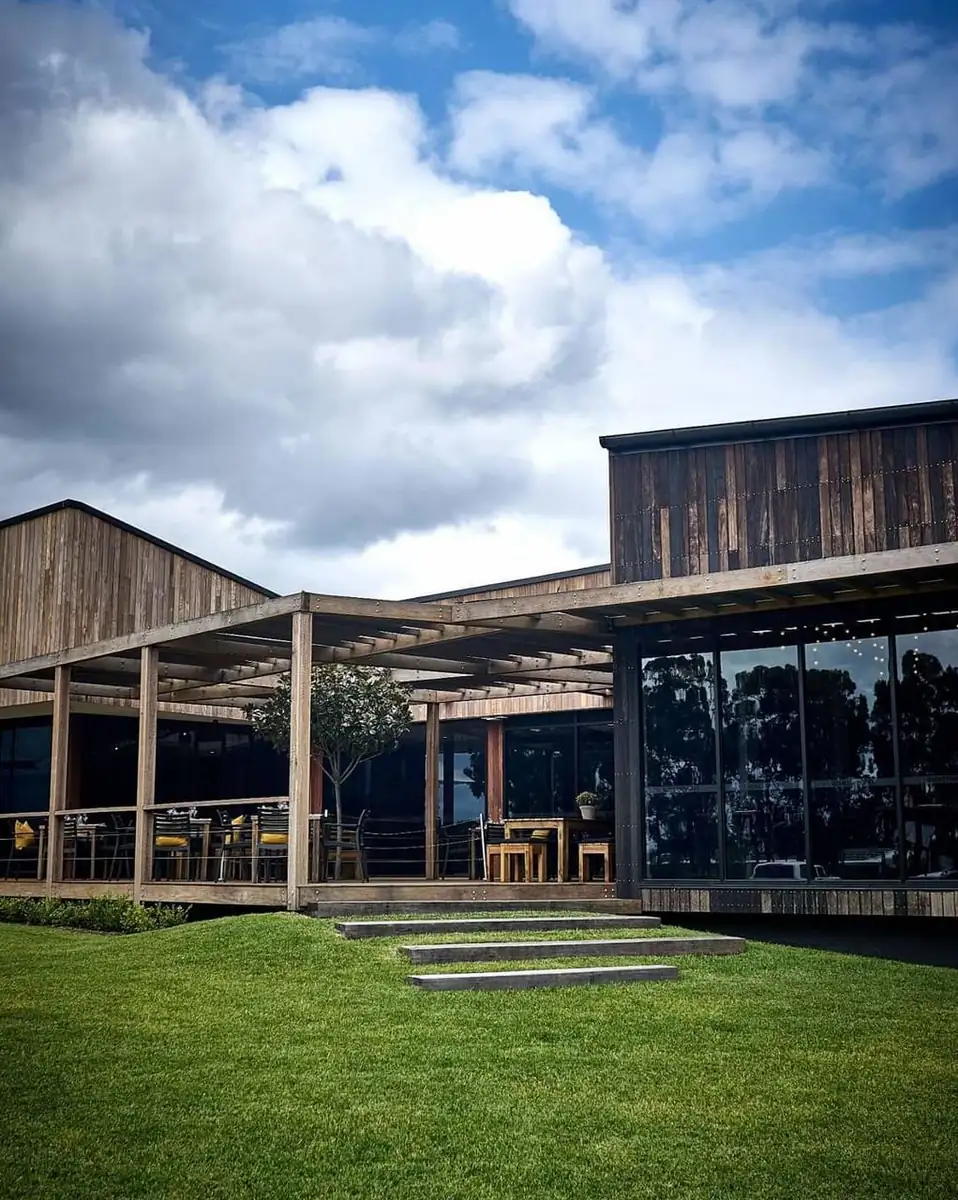
Deep in the Hunter Valley lies Pokolbin – the place where you can bet your bottom dollar on a leisurely stroll between the wineries, without having to worry about burning up the whole day driving from one to the next. Big names like Brokenwood Wines, Hope Estate and Roche Estate are all clustered close enough that you can link them up without too much faff.
I’ve taken groups here who were a bit hesitant at breakfast, but by the time they’d had a few wine flights, they were total converts – largely because not having to worry about driving after lunch was a major selling point for them.
Why Pokolbin Is Such A Rarified Treat
The locals have done a surprisingly great job of setting up the infrastructure – there are sealed shoulders, shared paths and accommodation that’s actually woven into the vineyard. You just don’t see that kind of thing in Australia all that often.
You can slip on your walking shoes, take your time strolling between tastings, squeeze in a wine flight, and still make it back to your accommodation before the sun sets. Out in the wider Hunter Valley, though, things get a whole lot more complicated – and it’s not hard to see why most visitors get it wrong when they don’t do their research or get in with the locals.
Tanunda & Angaston, SA – A Pleasant Wine Stroll
The Barossa Valley is known for driving between vineyards, which is not always the most pleasant experience. Fortunately, Tanunda and Angaston are a couple of towns that you can stroll around, and they pack a pretty big punch, too. Instead of trudging through the vines, you get to leisurely walk between the cellar doors, wine bars, bakeries & historic pubs, which all seem to be huddled together in the towns.
This is a wine walking tour that’s perfect for those who don’t like the idea of rushing from one vineyard to the next – and especially good in the cooler months when the weather is just right.
What Makes This Wine Walk So Good?
Both Tanunda and Angaston have footpaths that are kept in good nick, compact layouts and decent food options, making it easy to take a relaxed lunch without breaking a sweat. It’s a good reminder that you don’t have to go from vineyard to vineyard on foot to enjoy a wine tasting tour – there are plenty of other ways to do it in style.
If you’ve been on a Yarra Valley day trip and thought it was one of the most relaxed trips you’d ever been on, then this town-based approach is the secret to its chill vibe – the town does all the work for you in setting the pace.
Where Walking Fails: Margaret River, Western Australia
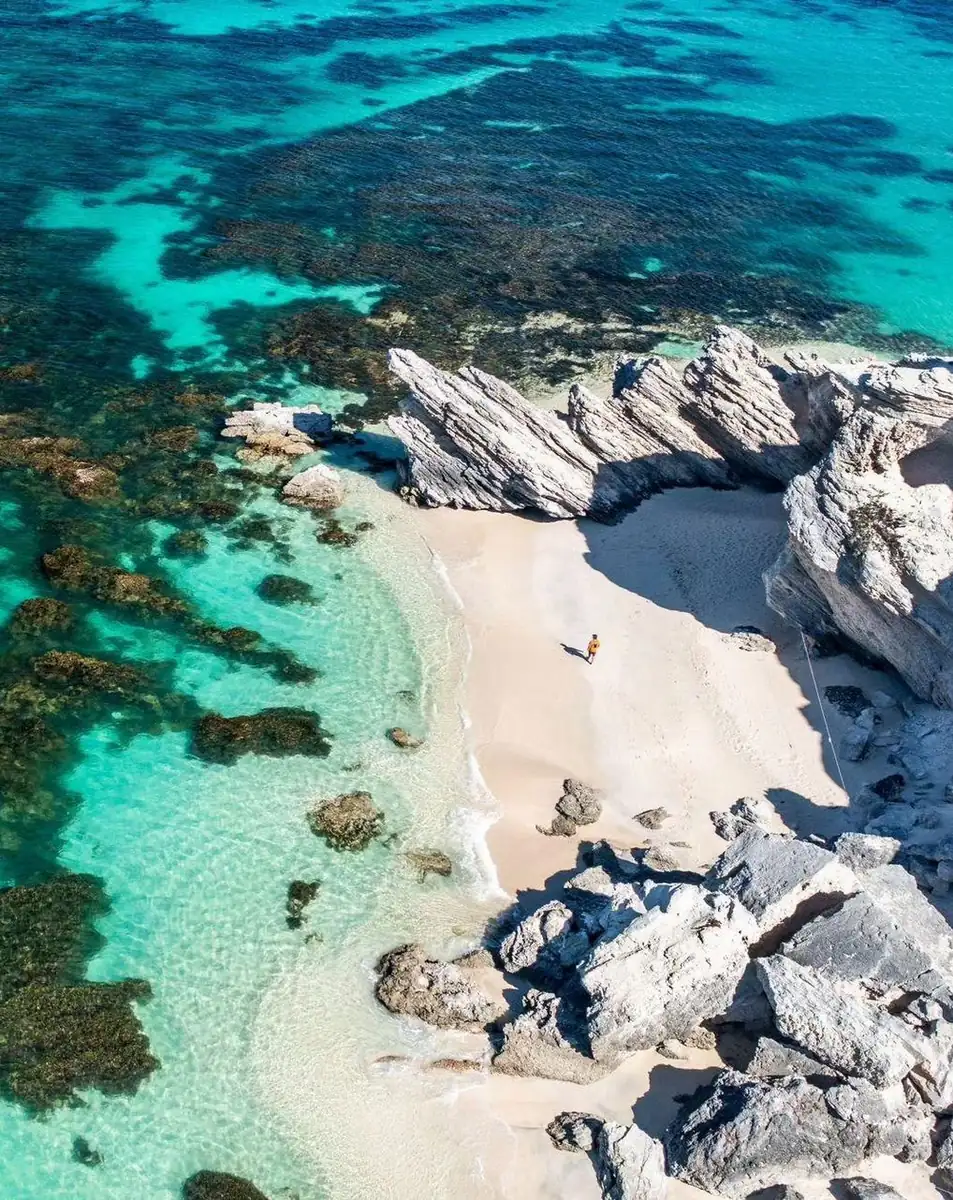
Margaret River gets a lot of attention for its wine and scenery, but the sad truth is that it’s not really the kind of place you can walk around to visit the cellar doors. The cellar doors along Caves Road are all scattered everywhere, traffic is just too fast for it to be safe, and just when you think you’re getting the hang of it, the shoulders just give up on you.
The region is stunning, and the wine is top-notch. But if you’re planning to walk between the wineries here, you’ll find it’s just not practical or safe.
Visitors are much better off linking up with highlights such as Hamelin Bay, Busselton Jetty, Cape Naturaliste Lighthouse, or Jewel Cave by car or on a guided tour.
This is the kind of place where having a good tour guide really makes a difference.
The Perfect Walking Wine Regions – Around the World
Some places just scream out to be explored on foot.
Waiheke Island – The Hidden Gem of New Zealand
Getting to Waiheke Island is a cinch – just hop on the Fullers ferry from Auckland, and you’ll be there in no time. Once you’ve arrived, you’ll find that getting around is a doddle – the island has a nice mix of walking routes, buses and a bit of planning. Starting at the Matiatia Ferry Terminal, you can then link up the wineries using the footpaths and short bus rides – and it all fits together like a puzzle, with a nice balance of walking and chilling out.
From Obsidian Wines to Cable Bay, Tantalus Estate and Passage Rock, it’s all pretty straightforward to get to, and the whole place has a super relaxed vibe.
Europe’s Walking Wine Regions – You Know the Drill
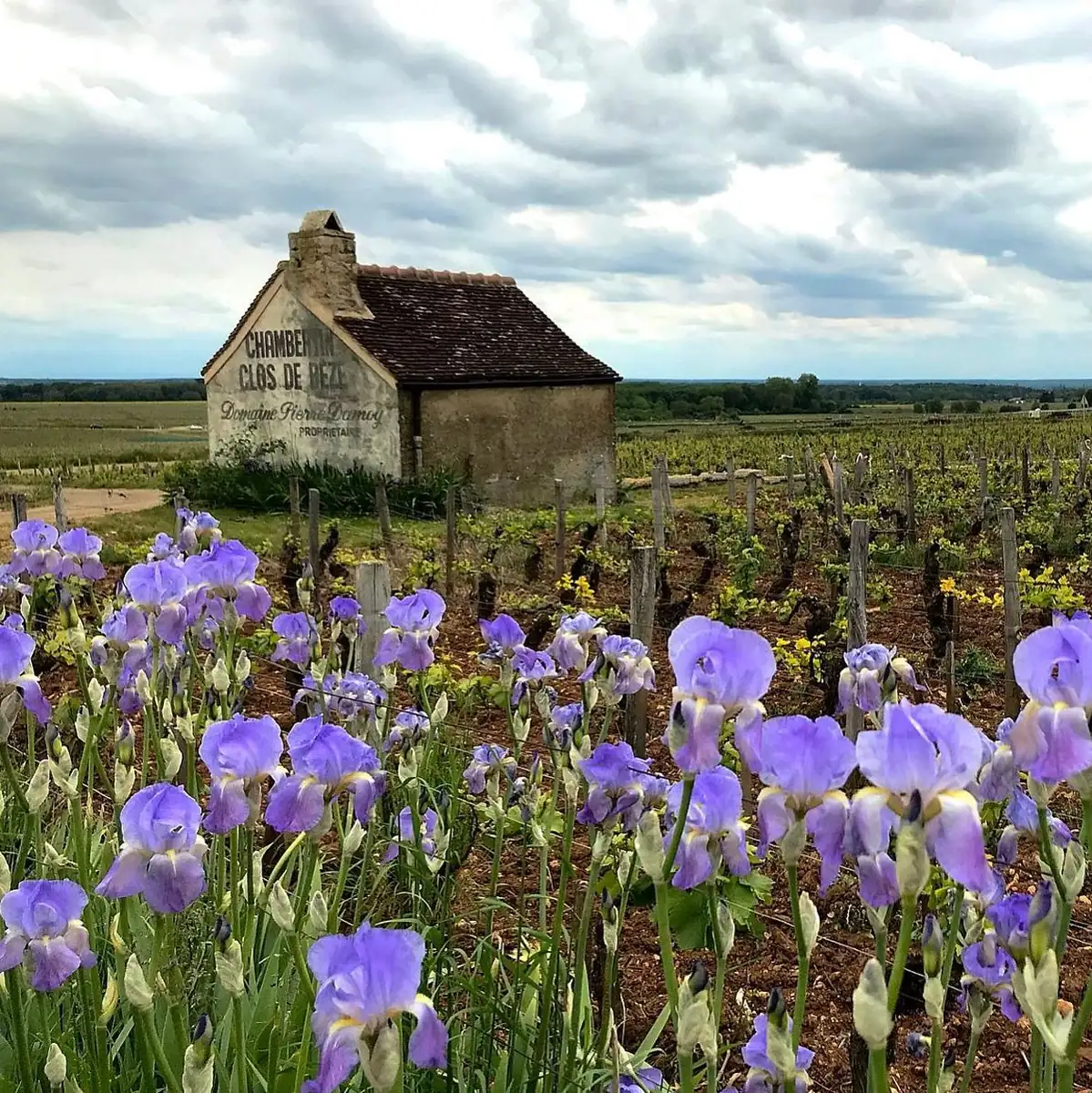
Over in Europe, walking wine routes are often properly mapped out and signposted – you get the idea:
- Take a trip along the Burgundy Wine Route (Route des Grands Crus) – that’s just one of the many examples to choose from
- The Côte de Beaune and Côte de Nuits are worth a look – but there are plenty more where those came from
- The Val d’Orcia and Chianti Classico zones are just begging to be explored on foot
These regions show that when you’ve got proper infrastructure in place, walking is the natural choice – it’s not even an option anymore.
Walking Feasibility At A Glance
| Area | Walking Practicality | Why |
|---|---|---|
| McLaren Vale township | High | Flat, compact, food nearby |
| Pokolbin (Hunter Valley) | High (core only) | Clustered cellar doors |
| Tanunda / Angaston | Moderate | Town-based tasting |
| Margaret River | Low | Long distances, fast roads |
| Waiheke Island | High | Paths + transport support |
Practical Planning Tips
If you’re thinking of strolling through the vineyards on a wine day, you really should have some kind of plan:
- Try to stick to just three or four wine tastings – save some room for later in the day if you want to
- Book ahead on weekends – don’t turn up expecting a table, only to be left out
- Don’t underestimate the importance of a bottle of water, even if it is midwinter – trust me, your thirst will catch up with you
- Get your food organised early on – don’t leave it to the last minute or you’ll be scrambling
The truth is, if the only Yarra Valley day tour you’ve been on was a day out in the Yarra Valley, you should remember that they’ve got those itineraries all carefully mapped out to prevent things from going wrong. But when you’re walking between wineries, you’ve lost that safety net – which means you really need to put some thought into how you’re going to make it work
A Final Word from Experience
Walking between wineries is a great idea when the region is designed with pedestrian-friendly infrastructure. Places like McLaren Vale, Pokolbin and a few of the Barossa towns are perfect for it. But be honest – a lot of other regions just aren’t designed for strolling, no matter how close they look on a map. The map doesn’t tell the whole story.
If you want to make the most of your walking wine trip, choose places designed for pedestrians. Don’t go trying to be too clever and end up with a logistical nightmare. And if you’re still unsure, then leaning on the expertise of local operators like Wildlife Tours is a good idea – they know the difference between a nice day out and a right old headache
FAQ
Is it safer to walk between cellar doors than cycle?
Walking’s definitely the safer option, especially when you’ve had a drink, but it also helps you avoid those nasty gravel road spills that can happen when you’re cycling
Can you realistically visit a few wineries in one day?
Three or four at most, if you want to take your time and not end up knackered
Do you still need to book in walkable regions?
Yeah, the answer is increasingly yes, especially on weekends and public holidays
Why doesn’t walking work so well in the Yarra Valley?
To be honest, the distances, traffic and road design just aren’t right for a leisurely stroll, which is a bit of a shame because it looks great after a day trip
Are guided tours still worth it in walkable regions?
Absolutely – they bring a level of knowledge and experience that you just wouldn’t get from walking on your own.
