

Throughout human existence, seas have provided a route for exploration, trade, and adventure. However, these vast waters also bring unforeseen perils and unfortunate events. Certain occurrences stand out due to their sheer tragedy and extensive loss of life.
This article aims to delve into one such harrowing incident, exploring its causes, consequences, and the lasting impact it left on seafaring traditions and safety protocols. By examining various aspects, we shed light on how and why such a calamitous event unfolded, hoping to prevent similar future occurrences.
Through understanding past calamities, we not only honor those who perished but also gain valuable lessons. Join us as we navigate through this sorrowful chapter of nautical ventures, paying tribute to the resilience of human spirit amidst unimaginable adversity.
Contents
The Historical Catastrophe of the Titanic
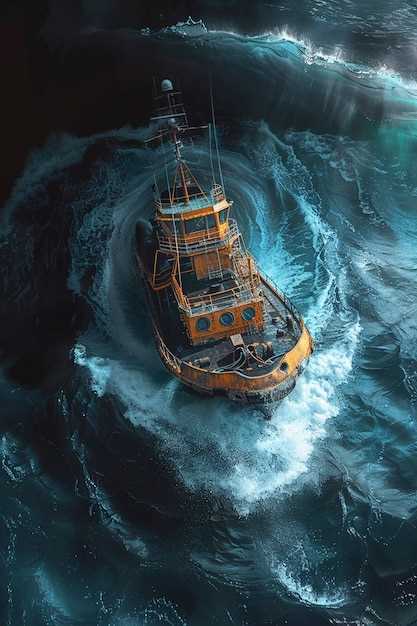
The massive vessel, Titanic, holds a prominent place in collective memory due to its dramatic end. It serves as a stark reminder of human hubris and technological limitations. This incident deeply affected people globally, leaving a lasting legacy and countless lessons learned regarding safety and seafaring protocols.
Titanic set sail in 1912 on what was supposed to be an awe-inspiring maiden voyage across the Atlantic. Built with the latest advancements, it was praised as an indestructible marvel of modern engineering. However, during its journey, this myth of invincibility was spectacularly shattered.
Despite numerous warnings about treacherous ice fields in its path, Titanic continued at high speed, driven by ambition and confidence. On April 14, an iceberg struck, breaching multiple compartments and sealing its fate. The vessel’s insufficient lifeboats and lack of emergency preparedness exacerbated the tragedy.
In the ensuing chaos, over 1,500 souls were lost, while survivors recounted haunting tales of despair and heroic acts. Media coverage of the incident caused widespread grief and outrage, prompting significant changes in international shipping regulations. Titanic’s tale remains a solemn cautionary story about human vulnerability in the face of nature’s unpredictable might.
Chaos and Tragedy: The Sinking of the RMS Lusitania
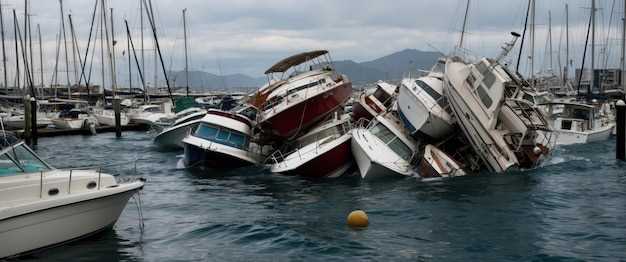
The incident surrounding the ill-fated voyage of RMS Lusitania is etched into memory as a moment of utter chaos and immense human suffering. A simple journey turned into a catastrophic event, with dire consequences and a harrowing aftermath.
When a torpedo struck RMS Lusitania, few could fathom the gravity of the situation. The ship started to list heavily, confusion spread among passengers and crew, and panic ensued. What followed was a tragic fight for survival. Here are the key points that led to such a grim episode:
- Unexpected Strike: Without ample warning, the torpedo ignited a destructive sequence, catching everyone off guard.
- Rapid Sinking: The vessel submerged astonishingly fast, decreasing the chances of organized evacuation.
- Limited Lifeboats: Not all lifeboats could be deployed effectively in the chaos, leaving many without rescue possibilities.
- Overcrowded Conditions: The number of passengers far exceeded lifeboat capacity, compounding the dire nature of the event.
- Cold Waters: Temperatures of the Atlantic Ocean presented a deadly threat to those who ended up overboard.
Survivors and witnesses recount tales of bravery and despair. Rescue efforts were deployed swiftly, yet the sheer scale of devastation was overwhelming. Thousands lost their lives, and the haunting memories persist to this day. RMS Lusitania’s sinking stands as a potent reminder of fragility and the tremendous cost of human conflict.
Significant changes in naval protocols and international relations followed this event, influencing the course of global interactions. The impact of RMS Lusitania’s demise transcended borders, reminding the world of the ever-present dangers faced on open waters.
MV Doña Paz: The Deadliest Ferry Disaster
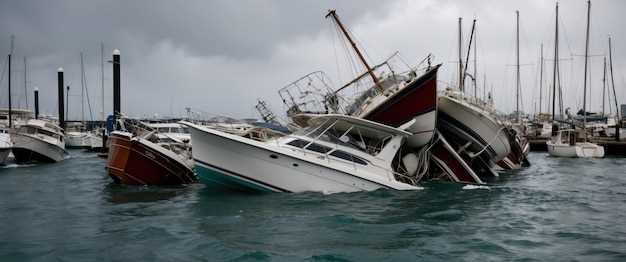
MV Doña Paz holds a tragic legacy, often remembered as one of the most catastrophic incidents within the realm of passenger ferry operations. Its tale serves as a grim reminder of the profound human and operational failures that can occur on open waters.
On December 20, 1987, a calamitous event unfolded, leading to unparalleled loss of life. The vessel, en route to Manila from Tacloban, Leyte, collided with MT Vector, an oil tanker. As a result, the ship was engulfed in flames, causing an unimaginable tragedy.
| Incident | Details |
|---|---|
| Date | December 20, 1987 |
| Location | Tablas Strait, Philippines |
| Vessels Involved | MV Doña Paz, MT Vector |
| Passengers | Estimated at 1,500 over the official capacity |
| Fatalities | Over 4,300 |
The collision with MT Vector, which was carrying petroleum products, sparked a swift and devastating fire. Due to overcrowding and insufficient safety measures, most passengers were unable to evacuate, resulting in the horrendous loss of lives. Survivors reported that life jackets were sparse, and emergency protocols inadequately followed.
Investigations revealed severe oversights, including deficient safety equipment, lack of proper crew training, and negligence regarding passenger limits. These findings prompted calls for intensified regulations within the seafaring industry to prevent similar tragedies.
MV Doña Paz remains a somber lesson in the annals of naval mishaps, urging ongoing advancements in maritime safety standards and accountability in the conduct of seafaring activities.
