
In many parts of the world, riverbeds and swampy areas hide some of nature’s most formidable predators. These creatures have evolved to become apex hunters, capable of sudden bursts of speed and powerful strikes. Among these animals exists a few that stand out due to their impactful interactions with people.
Despite their fearsome reputation, not all predatory reptiles pose a significant danger. However, some varieties are notorious due to a higher number of unfortunate encounters with individuals. This article delves into those particular reptiles that have caused more harm than others, aiming to understand the reasons behind their notoriety and what can be done to mitigate these perilous situations.
Contents
The Deadliest Crocodile Species
When discussing wildlife threats to people, certain reptiles often come to mind immediately. Among these creatures, one member stands out due to its alarming interactions with humans, leading to numerous tragic encounters.
Common Misconceptions
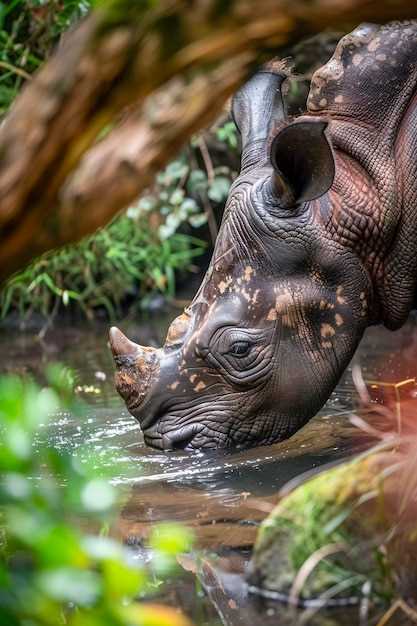
Despite a general awareness of these dangerous reptiles, many misunderstandings and myths surround them. Some believe they inhabit only specific areas, while others underestimate their territorial range, strength, and cunning nature. Such misconceptions can lead to a false sense of security in regions where these predators dwell.
Habitat and Behavior
This formidable reptile thrives in various aquatic environments, including rivers, lakes, and wetlands. Its adaptability allows it to survive in diverse climates, making it a persistent threat in many regions. Known for its stealth and speed, this predator often ambushes unsuspecting prey at the water’s edge, demonstrating remarkable hunting skills. Its diet is not limited to fish and smaller animals but can include sizable mammals, showcasing its fearsome predatory nature.
In summary, understanding this dominant reptile’s habits, habitat, and capabilities can greatly aid in mitigating risks and fostering respect for one of nature’s most efficient hunters.
Habitat and Distribution
Understanding where these formidable reptiles reside and how widely they are dispersed is crucial for gaining insight into their interactions with humans. This section explores various ecosystems and geographical ranges where these apex predators thrive.
These reptiles are predominantly found in freshwater environments such as rivers, lakes, and wetlands. They are highly adaptable and can also inhabit brackish waters and even certain coastal areas. The wetlands and swamps serve as ideal locations due to abundant prey and ample cover.
Geographically, they are distributed across multiple continents, primarily in tropical and subtropical regions. Africa is known to host large populations, particularly in countries with extensive river systems and marshlands. Southeast Asia also provides suitable habitats, with numerous river deltas and mangroves contributing to their proliferation.
Central America and parts of northern Australia are additional regions where significant communities of these reptiles can be found. Their ability to adapt to a variety of climates and conditions has enabled widespread distribution, increasing the likelihood of encounters with humans.
In summary, these ancient predators have established themselves in diverse habitats across several continents. Understanding their natural environments and geographic spread is essential for developing effective strategies to mitigate risks and minimize conflicts with human populations.
Behavior and Hunting Techniques
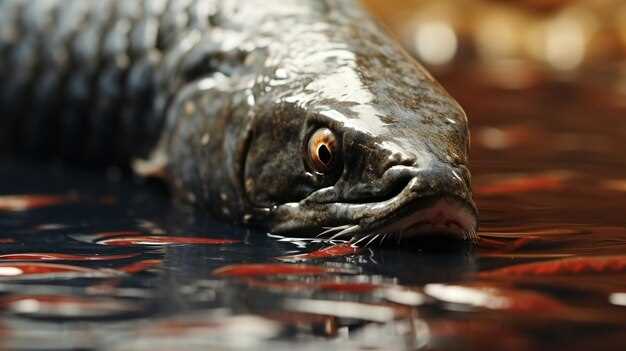
Understanding how these reptiles behave and their methods for capturing prey gives insight into their interactions with humans and other animals. Their strategies are cunning and capitalize on their physical attributes and environmental factors.
Ambush Predation
These predators excel in ambush tactics. They often remain motionless in water, blending with their surroundings. When prey approaches, they strike with incredible speed and precision. Their strong jaws and sharp teeth ensure a secure grip, preventing escape.
Nocturnal Activity
Hunting often occurs at night, taking advantage of lower visibility. Utilizing their enhanced night vision, they can detect and track movements in low-light conditions. This nocturnal behavior reduces the chances of detection by both prey and potential threats.
