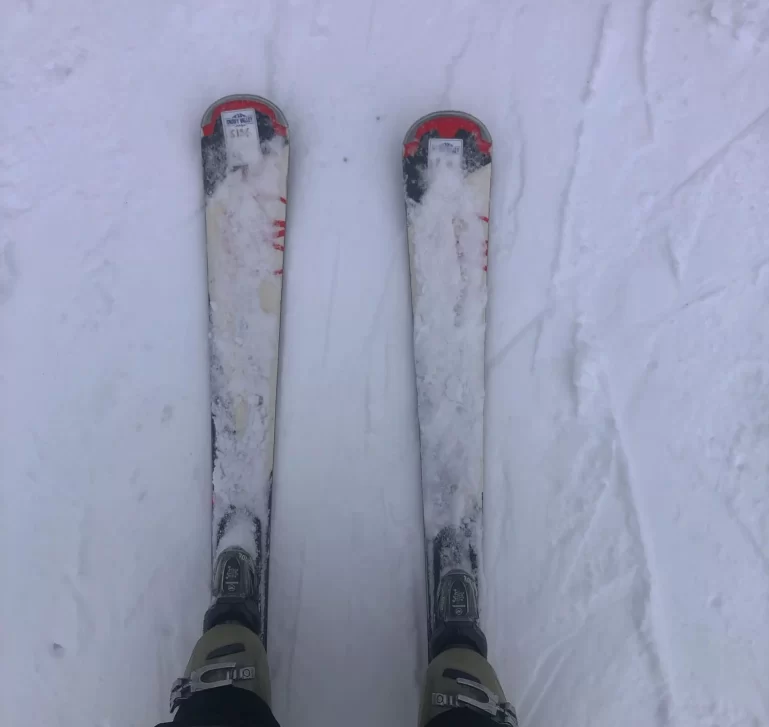
Skiing is a thrilling winter sport that draws adventure seekers from all over the world. Many beginner skiers wonder if they can ski without lessons, to save time, avoid a rigid schedule or try it at their own pace. While you can learn on your own, skiing without lessons comes with challenges that can impact your safety, skill development and overall skiing experience. This article explores the idea of skiing without lessons, the challenges involved and tips for those who choose to go solo.
Contents
Skiing Without Lessons: A Good Idea?
Skipping lessons may seem tempting, especially if you’re an athlete or have experience with other winter sports like ice skating. But skiing has its own movements and techniques that are hard to master without guidance. Without proper instruction, beginners will develop bad habits, struggle with the right techniques and increase their risk of injury. Self-learning can work for some, but structured lessons with a qualified instructor are a much safer and faster way to become a good skier. If you’re planning a snow trips, consider getting a few lessons beforehand and you’ll enjoy your skiing so much more.
Challenges of Skiing Without Lessons
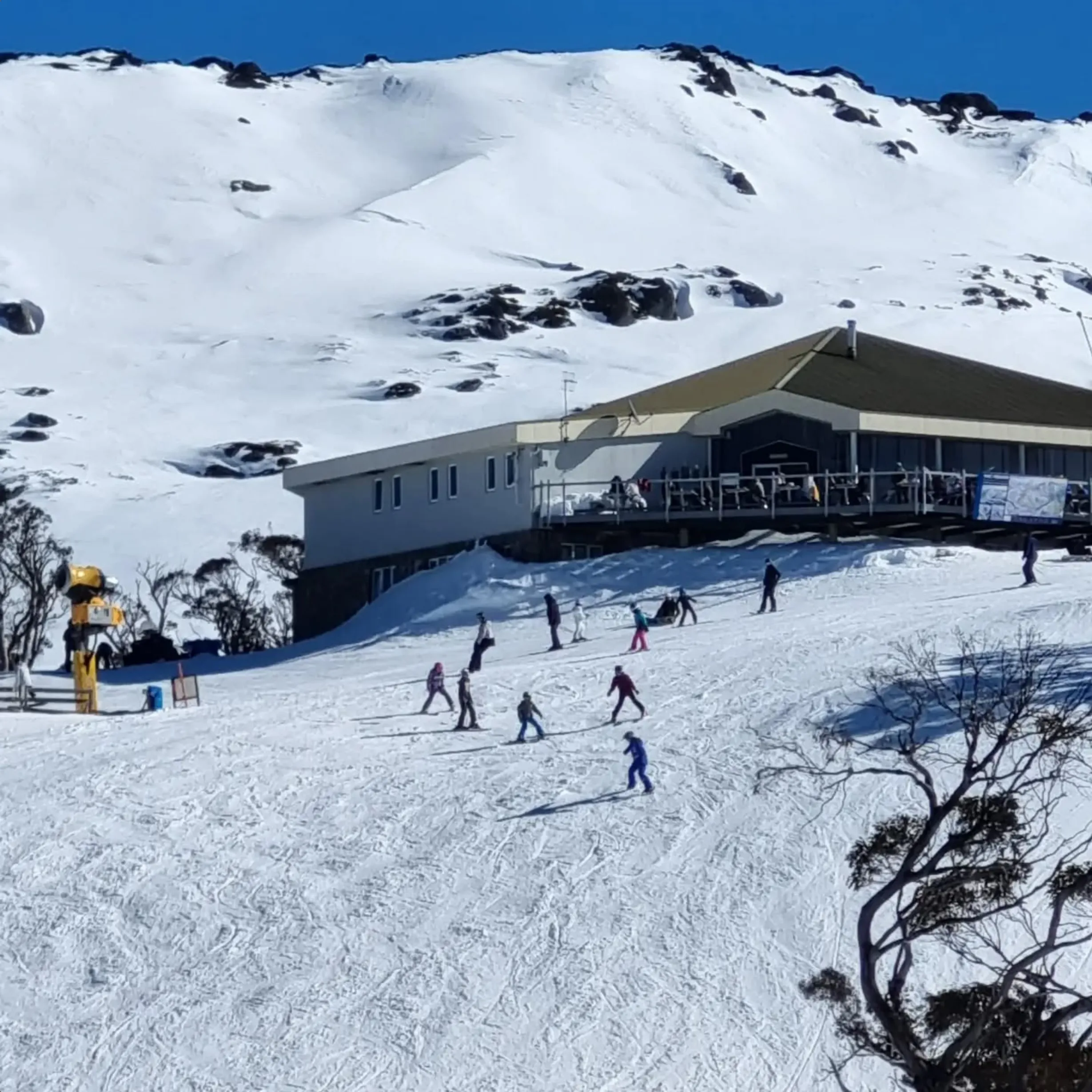
Skiing without lessons presents several challenges that beginners don’t anticipate. Understanding the ski equipment, learning the movements and balancing on slippery terrain can be tough. Beginners will also find it hard to read trail markers, navigate ski lifts and control their speed on the slopes. Without an instructor to correct your mistakes, bad habits will form and it will be harder to progress to an intermediate skier. Not having lessons can also lead to frustration and reduce the enjoyment of the sport — especially if it’s just a quick day trip to the snow and you want to make the most of it.
Learning Proper Stance and Technique
One of the most important things to learn about skiing is stance and technique. Skiers need to keep their knees slightly bent, weight-centered and body relaxed. Absolute beginners tend to lean back which can lead to loss of control and falls. Professional ski lessons focus on proper posture, balance and movement to ski smoothly and in control. Self-taught skiers will struggle to recognize and correct bad technique making it harder to build confidence on the slopes.
Stopping and Speed
One of the biggest dangers of not taking lessons is not being able to stop and control speed. Beginner skiers need to learn basic techniques like the snowplough (or wedge) stop which helps slow down and control direction. Without learning these fundamentals new skiers will lose control, hit other skiers or veer off the designated trails. Professional ski instructors teach braking and speed management in a safe environment to minimize the risk of injury.
Ski resorts categorize their trails by difficulty level, usually marked as green (easy), blue (intermediate) and black (advanced). Without lessons, beginners will struggle to understand these markings and take on steeper terrain that’s beyond their ability. Additionally turning techniques are necessary to safely ski down the slopes. Professional ski lessons teach you how to read the signs, choose the right run and use turning techniques to ski with confidence — all essential skills for a safe and fun snow trip Victoria experience.
Falling and Getting Up
Falling is inevitable when learning to ski but knowing how to fall safely can prevent injuries. Without lessons, beginners will fall in ways that put a strain on their knees or wrists. A professional ski instructor will teach you controlled falling techniques and how to get up quickly without struggling. Self-taught skiers will find it hard to get their balance back after a fall and will get frustrated and exhausted — especially during snow day trips when time on the slopes is limited and every minute counts.
Using the Ski Lifts
Ski lifts can be intimidating for beginners and using them correctly takes practice. Without lessons, new skiers will struggle to get on and off the lift safely and may cause delays or falls. Lessons will teach you how to approach the lift, sit and exit smoothly. Knowing these basics will prevent accidents and make your skiing holiday more enjoyable.
Benefits of Taking Ski Lessons
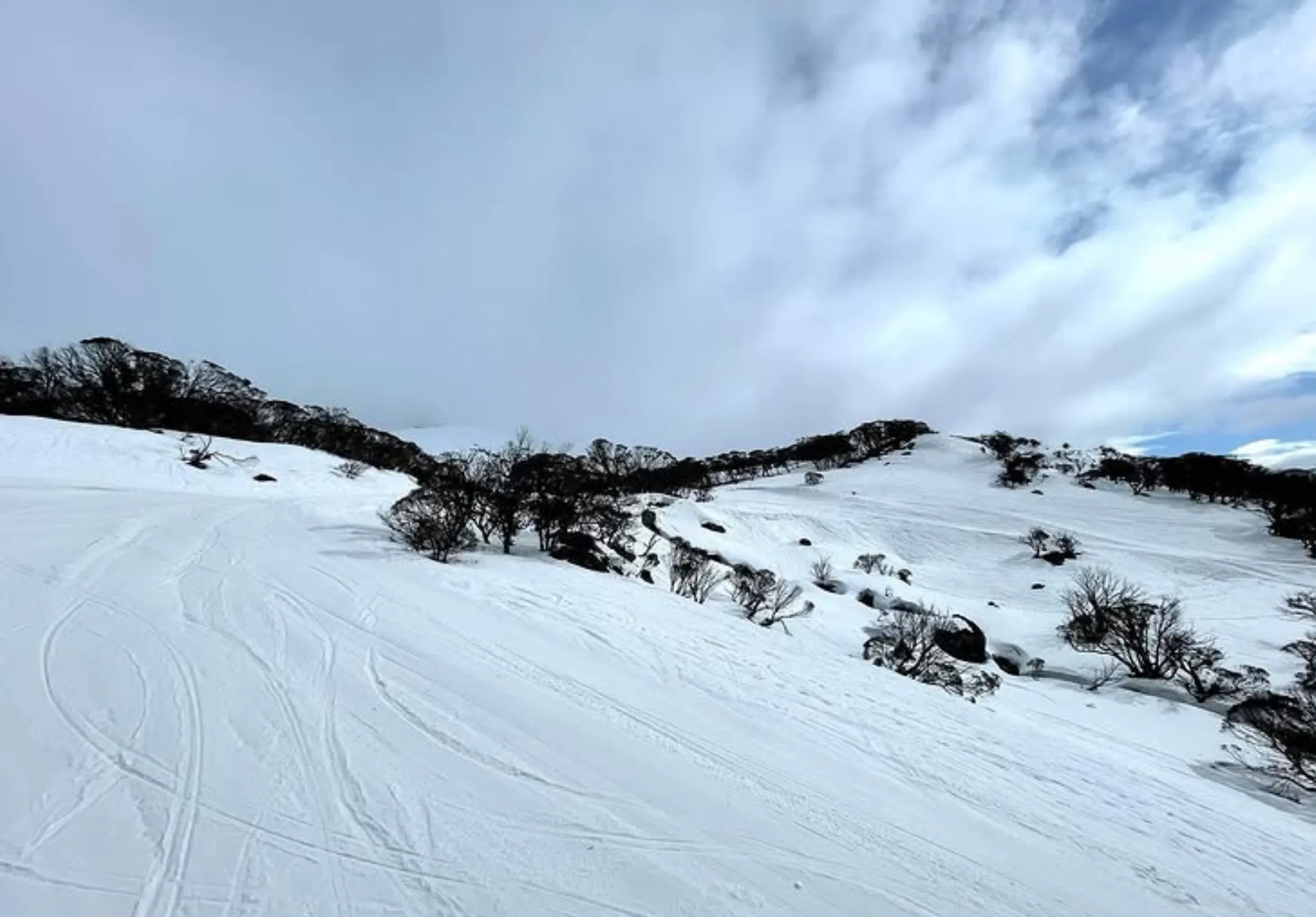
Taking ski lessons gives you structure, personal feedback and a safer environment. Certified ski instructors help you learn basics faster and with fewer mistakes. Lessons also build confidence so you can enjoy your skiing instead of feeling overwhelmed. Group lessons can be fun social experiences and private lessons give you individual attention for rapid progress. Investing in a week-long course or adult group lessons can make a big difference in safety, performance and enjoyment on the mountain.
How to Ski Without Lessons
If you’re determined to ski without lessons, here are some tips to make the learning process safer and more enjoyable:
- Start on beginner slopes: Choose green runs designed for absolute beginners.
- Watch instructional videos: Online tutorials can give you visual guidance on basic techniques.
- Ski with an experienced skier: Having someone competent alongside you can offer advice and help.
- Practice stopping and turning: Master the basics before tackling harder ski runs.
- Wear proper ski gear: Helmets, goggles, ski jacket, ski pants and comfortable ski boots make you safer and more comfortable.
- Take breaks: Skiing is physically demanding so pace yourself to avoid exhaustion and injury.
- Know the chairlift rules: Understanding how to get on and off the chairlift reduces stress and accidents.
Conclusion
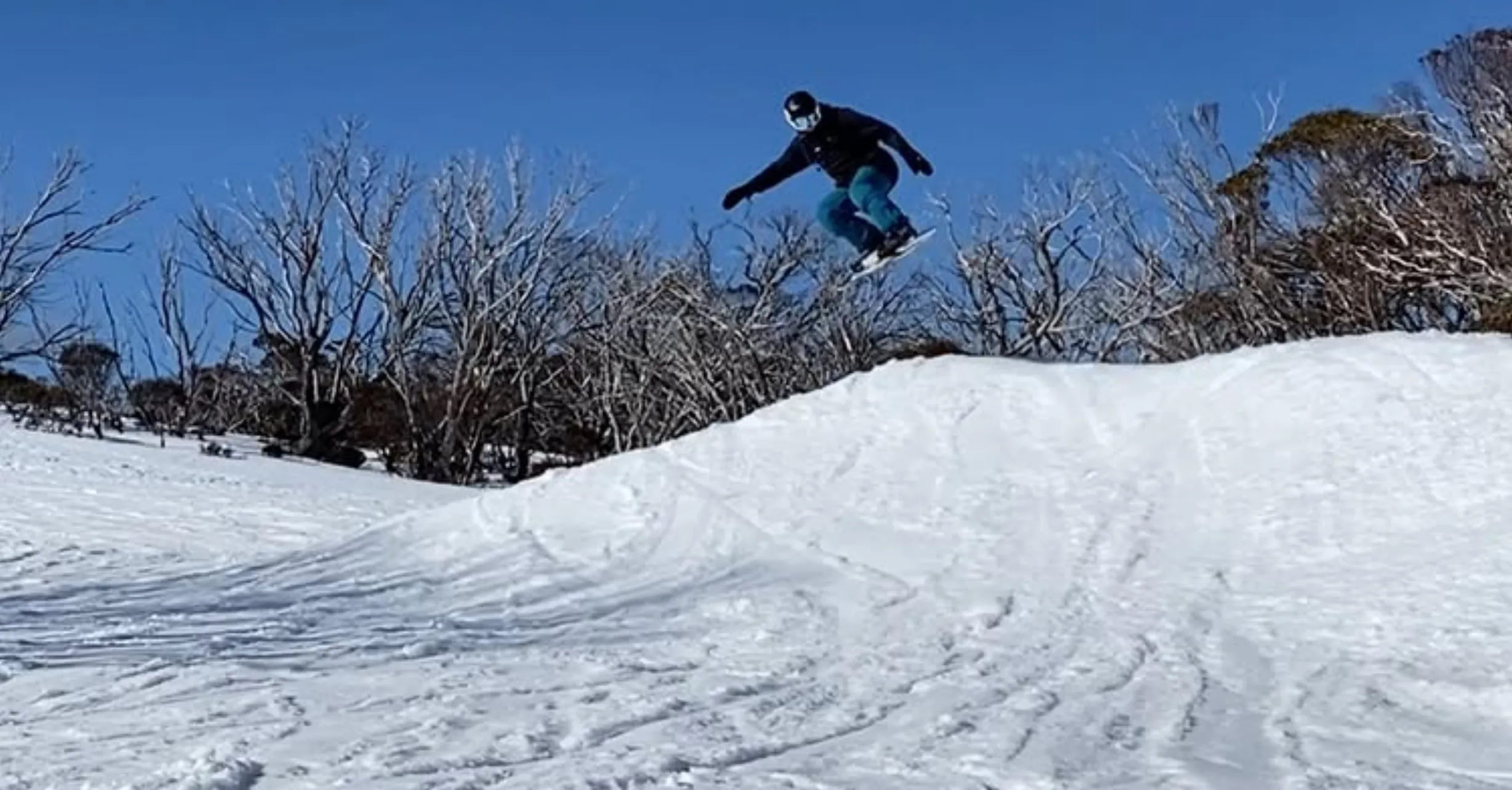
You can ski without lessons but it comes with big challenges that can affect safety and fun. Proper instruction accelerates learning, prevents injuries and builds confidence. If lessons aren’t an option, be cautious, use online resources and practice basic skills and you’ll be good to go. Ultimately whether self-taught or professionally trained, skiing should be a fun and best snow day trip Melbourne for all.
FAQ
Is it safe to ski without lessons?
Skiing without lessons increases the chance of injury and bad technique. But with caution, research and practice you can learn to ski safely.
How long does it take to learn skiing without lessons?
The learning curve varies but most self-taught beginners take longer to feel comfortable on the slopes than those who book lessons. It may take a couple of days to a week of skiing to get basic control.
Can I learn skiing by watching videos?
Videos can be helpful for understanding techniques but lack of objective technique analysis and real-time feedback. Practicing in a controlled environment and getting advice from experienced skiers can improve self-learning.
What should I avoid when skiing without lessons?
Avoid black slopes, skiing too fast and neglecting safety gear. Don’t ski alone in case of falls or accidents.
Are there alternatives to formal ski lessons?
Skiing with a private instructor, joining beginner ski lessons or attending short 1- or 2-day courses can be alternatives to formal ski school lessons.
